Last updated January, 2026
10 Resolutions to Tame Angry, Defiant Children
Small changes that reduce power struggles and restore calm
Do you hesitate to say no because you’re bracing for a meltdown?
Do you let things slide until you’re so frustrated you end up yelling, then feeling guilty?
You’re not alone. Many thoughtful parents get stuck in this cycle, especially with school-aged kids and tweens who push back harder.
The good news: you don’t need a full parenting overhaul.
Real change often comes from choosing one steady shift. An ounce of prevention that saves a pound of reaction later.
You don’t need to do all ten of these.
Pick one that resonates. Start there.
If anger, defiance, or power struggles have become part of daily life, a Parenting Behavior Audit can help you pinpoint what’s escalating the conflict and where small changes can make the biggest difference.
👉 Link: Schedule a Breakthrough Session
1. Regulate Yourself First
No strategy works if you’re emotionally flooded.
Your calm is the most powerful tool you have, more effective than any consequence chart or script.
Sleep, food, movement, and stress matter. But one tool works almost instantly:
Breathe.
Slow, deep breathing for even one minute lowers your heart rate and brings your thinking brain back online. Five minutes? Even better. You don’t need to call it meditation, just give your nervous system a reset.
Your child learns emotional regulation by watching you regulate first.
2. Let Go of Parent Shaming
Comparison fuels anger. Yours and your child’s.
Judging other parents often means we’re judging ourselves just as harshly. And that pressure spills into how we respond to our kids.
Here’s a simple awareness exercise:
Notice when judgment shows up toward other parents or yourself.
Pause.
Release it.
Less judgment creates more patience. And patience changes everything.
3. Reduce How Often You Say “No”
Kids hear “no” more than we realize and eventually, it stops working.
That doesn’t mean removing limits. It means teaching instead of reacting.
Instead of:
“Don’t do that.”
Try:
“We don’t hurt the cat. Show me gentle hands.”
Clear limits + clear instruction = fewer power struggles.
4. Listen Without Multitasking
Kids act out when they feel unheard.
And attention divided between phones, screens, and conversations doesn’t count as listening.
One powerful shift:
Put devices away during conversations. Fully away.
When kids feel heard, they don’t need to raise the volume through behavior.
5. Build in One-on-One Time
Anger often comes from feeling overlooked.
One-on-one time doesn’t need to be elaborate or expensive. It just needs to be intentional.
Shared chores, walks, errands, or cooking together all count. Connection reduces defiance because it builds trust and kids protect relationships they value.
6. Take Care of Yourself (Really)
Exhausted parents interpret behavior as disrespect faster.
Self-care isn’t indulgent—it’s preventative.
When you’re rested and supported, you respond instead of react. And your child feels that difference immediately.
7. Read Together
Reading builds connection, regulation, and trust…especially for kids who struggle with emotions.
The dishes can wait.
The relationship can’t.
Children don’t remember perfectly clean kitchens but they remember who showed up for them.
8. Create Predictable Routines
Routines reduce anxiety.
Anxious kids act out.
A routine isn’t rigid control; it’s predictability.
When kids know what’s coming next and what’s expected, their nervous systems settle. Fewer surprises = fewer blowups.
9. Teach Reflection
Reflection helps kids learn from behavior without shame.
Whether through quiet time, journaling, prayer, or conversation, reflection builds self-awareness and self-awareness leads to better choices.
It’s a skill that pays off for life.
10. Practice Gratitude Together
Gratitude shifts focus from what’s wrong to what’s working.
It doesn’t erase challenges but it softens them.
A simple family practice:
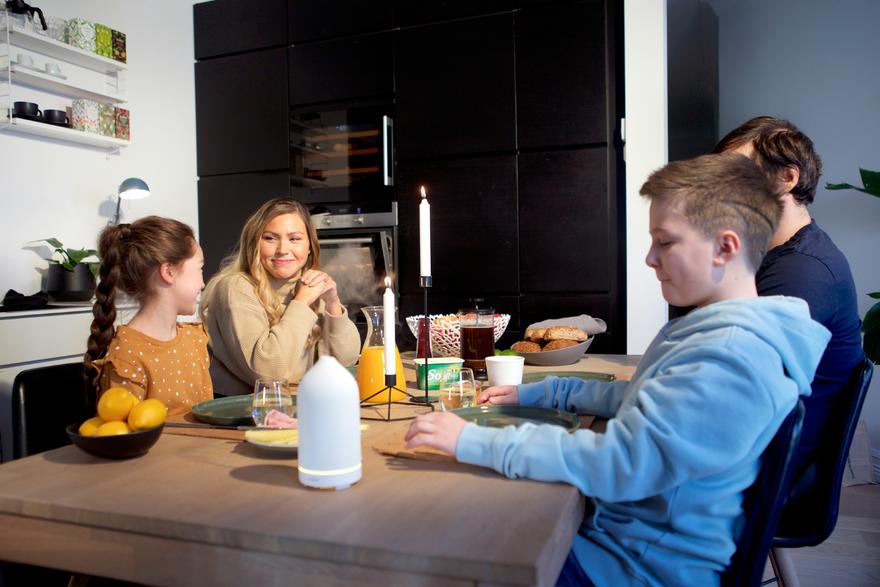
At dinner, everyone names one thing they’re grateful for.
You’ll notice changes, not just in mood, but in perspective.
Start Small. Stay Steady.
You don’t need to do all ten.
Choose one.
Practice it consistently.
Let it build.
Angry, defiant behavior often softens when parents lead with calm clarity instead of reaction.
Need Support Breaking the Cycle?
If anger and power struggles are taking over your home, it doesn’t mean you’re doing it wrong.
It usually means your family needs structure, steadiness, and support.
If you’d like help figuring out where to start, and how to stay consistent, I invite you to schedule a free consultation. We’ll talk through what’s happening and map out a calmer path forward.
